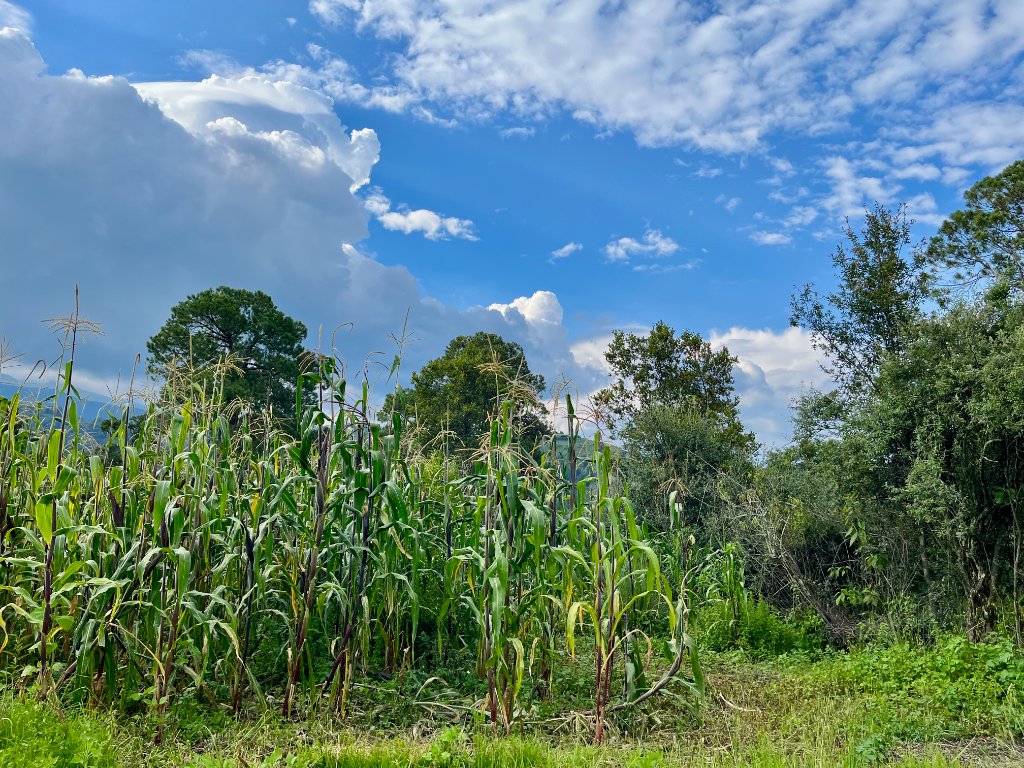
Environmental Anthropology · Agroecology · Mexico and Latin America
Making milpa, experiential learning, participatory research
I am an environmental anthropologist, agroecologist, and educator whose work examines relationships among food, agriculture, environmental knowledge, and multispecies life in Mexico and Latin America. Through ethnographic research and field-based teaching, I explore how campesino and Indigenous communities cultivate, gather, sustain, and share knowledge through changing agrarian landscapes.
Research · Teaching · Collaboration

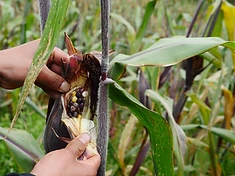
Making Milpa
I approach the milpa as a diverse working landscape composed of maize, beans, squash, foraged plants, fungi, insects, soils, and the people who cultivate and gather among them. My research examines how knowledge, reciprocity, labor, and biodiversity take shape through these relationships.

Experiential Learning
My teaching connects critical scholarship with field-based and experiential learning across environmental anthropology, agroecology, and food systems. I encourage students to develop questions through direct observation, collaborative inquiry, and reflection on the places and communities with which they work.

Participatory Research
My ethnographic and participatory research is situated in the milpa agroecosystems of Mexico, the Bolivian Andes, and Chile's Chiloé Archipelago. Across these settings, I have worked alongside campesino and Indigenous families to understand agricultural knowledge, food sovereignty, agrobiodiversity, and environmental change.
Doctoral research
Reassembling the Milpa
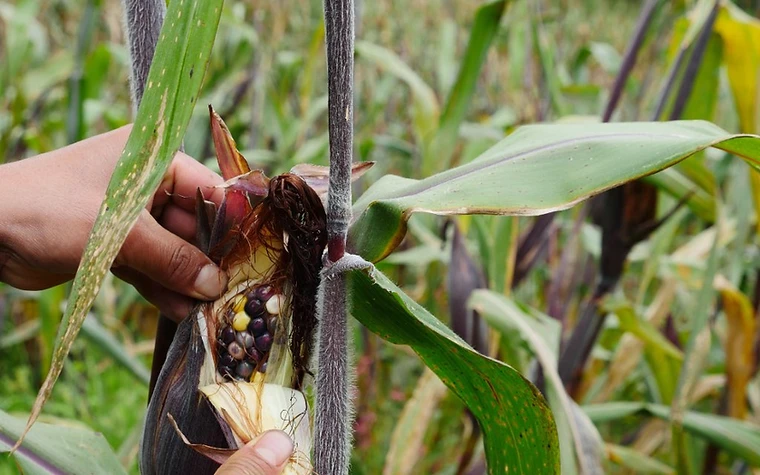
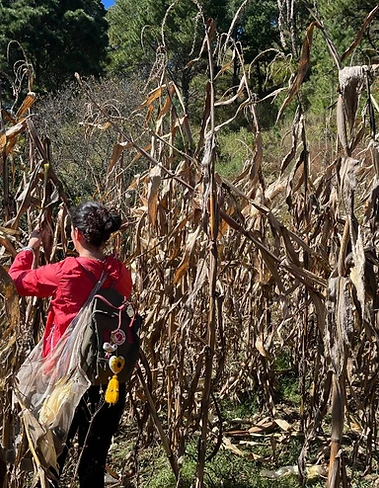
My doctoral research examines multispecies entanglements surrounding chapulines, quelites, and cuitlacoche in the Puebla–Tlaxcala Valley, asking how knowledge, labor, ecological memory, and agrarian change emerge through everyday relationships.
Read about the research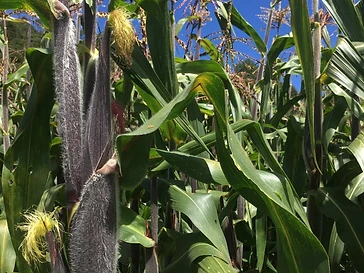
Fieldwork




Recent field notes
Mexico
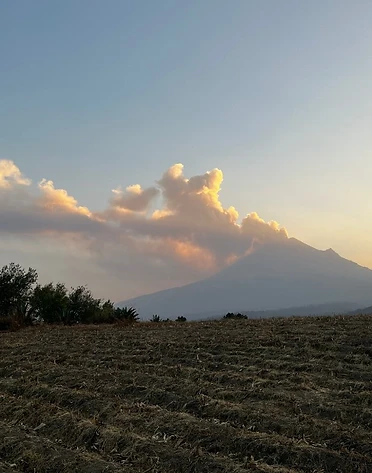
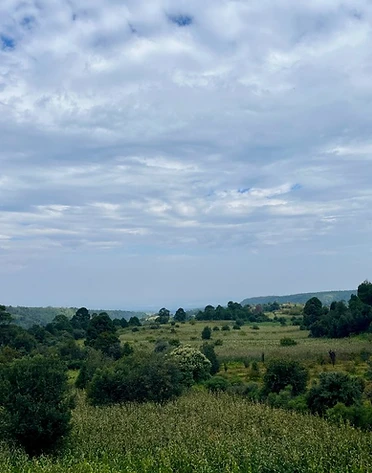
Puebla–Tlaxcala Valley
My doctoral fieldwork examines the multispecies relationships surrounding foraged foods in milpa agroecosystems. The research focuses on chapulines, quelites, and cuitlacoche, attending to the ways cultivators engage with plants, insects, fungi, crops, and agricultural landscapes.
Read the field notesTeaching
My teaching is rooted in an inclusive, dynamic, and experiential learning environment that inspires critical engagement with environmental anthropology, agroecology, sustainability, and biocultural diversity. Drawing from my interdisciplinary background and extensive field experience across Latin America, Europe, and North America, I cultivate a space where intellectual curiosity thrives, students develop agency, and learning extends beyond the classroom through direct experience, reflection, and cross-cultural engagement.
Teaching philosophy and coursesExperiential learning
Critical inquiry
Agroecology
Research, teaching, and collaboration
For academic opportunities, invited talks, and collaborative projects.